




Boho Rugs
680 products

680 products
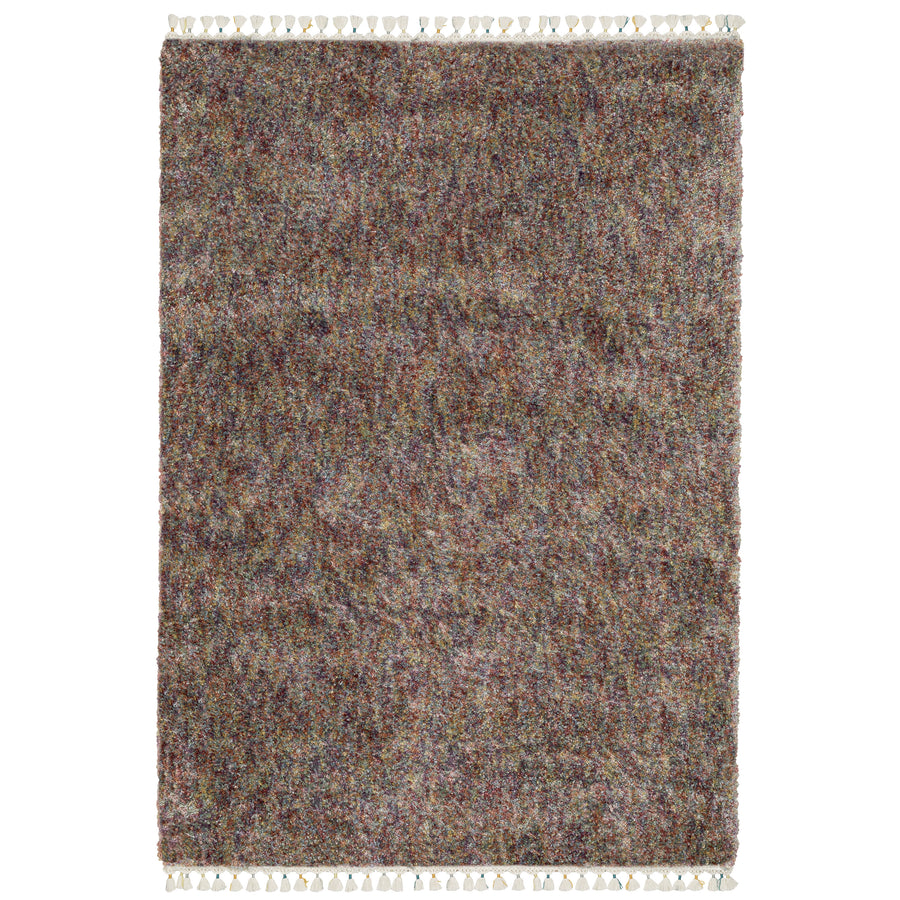
When a customer says they want a boho rug, we always ask one question before showing anything: where is it going? Because the three products that get called boho — natural fiber, vintage flatweave, and high-pile shag — serve fundamentally different rooms, traffic levels, and maintenance tolerances. What works beautifully in an entryway will feel wrong in a living room.
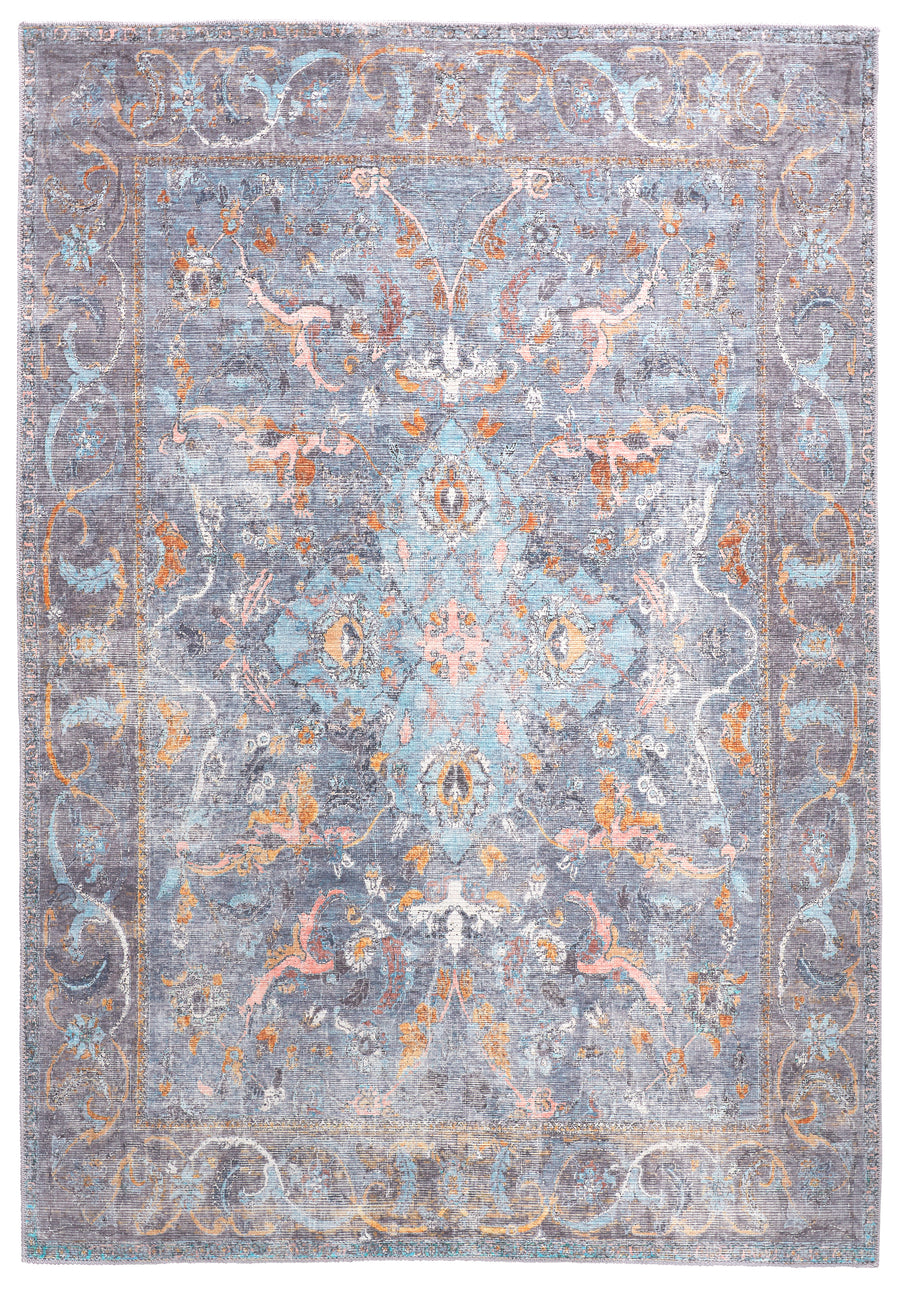
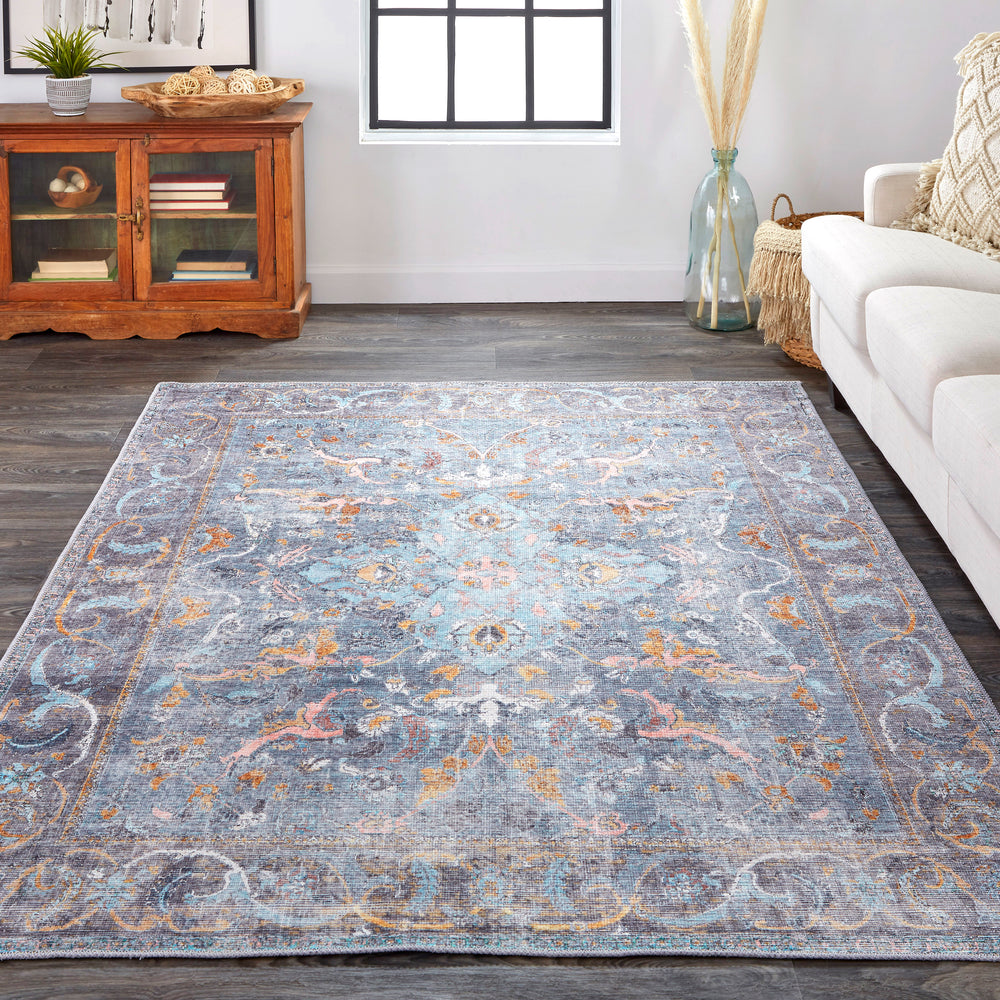
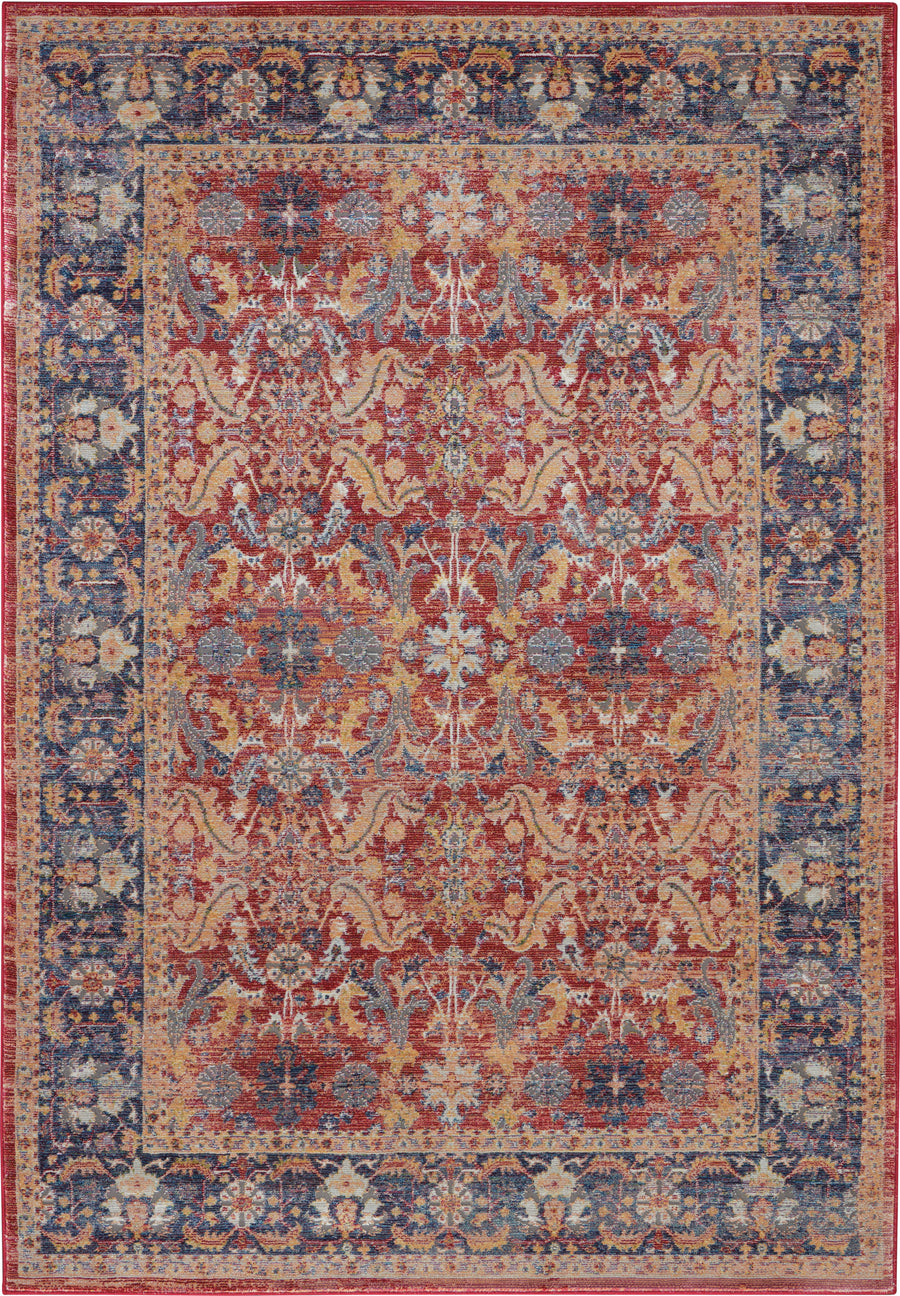
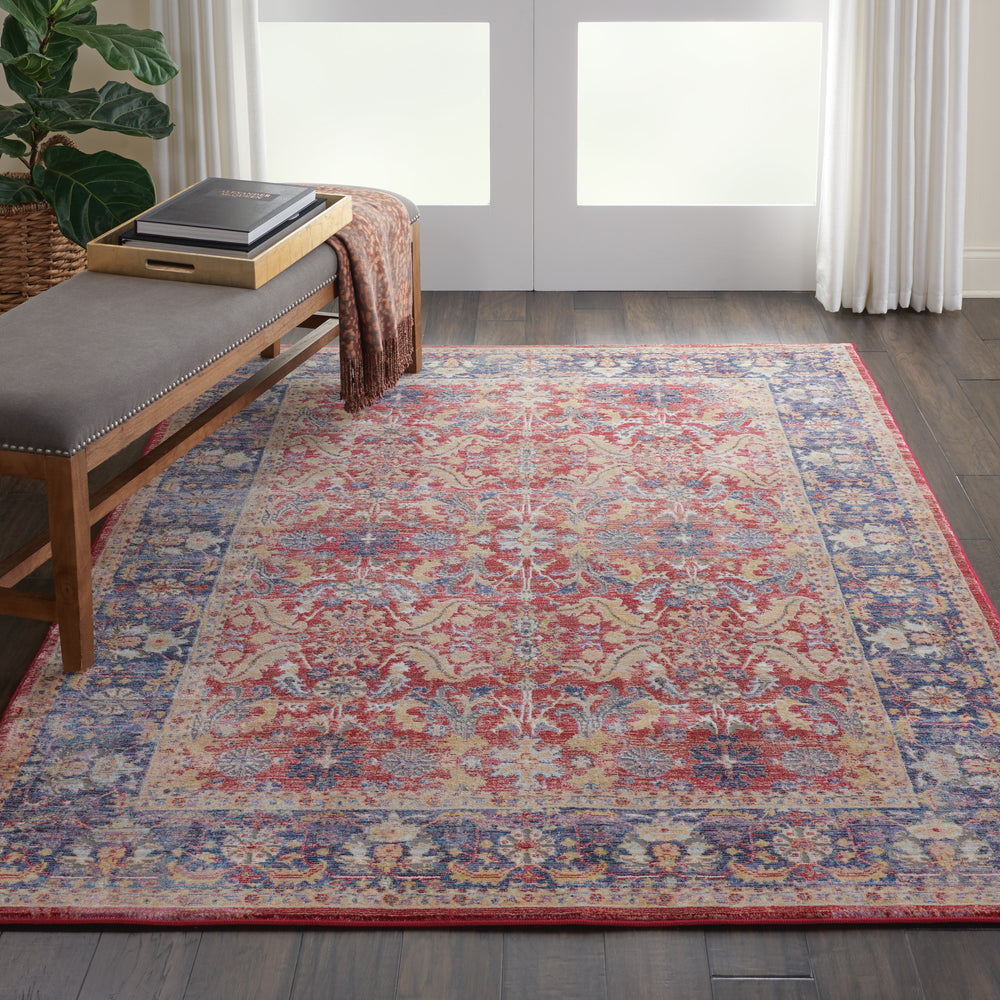
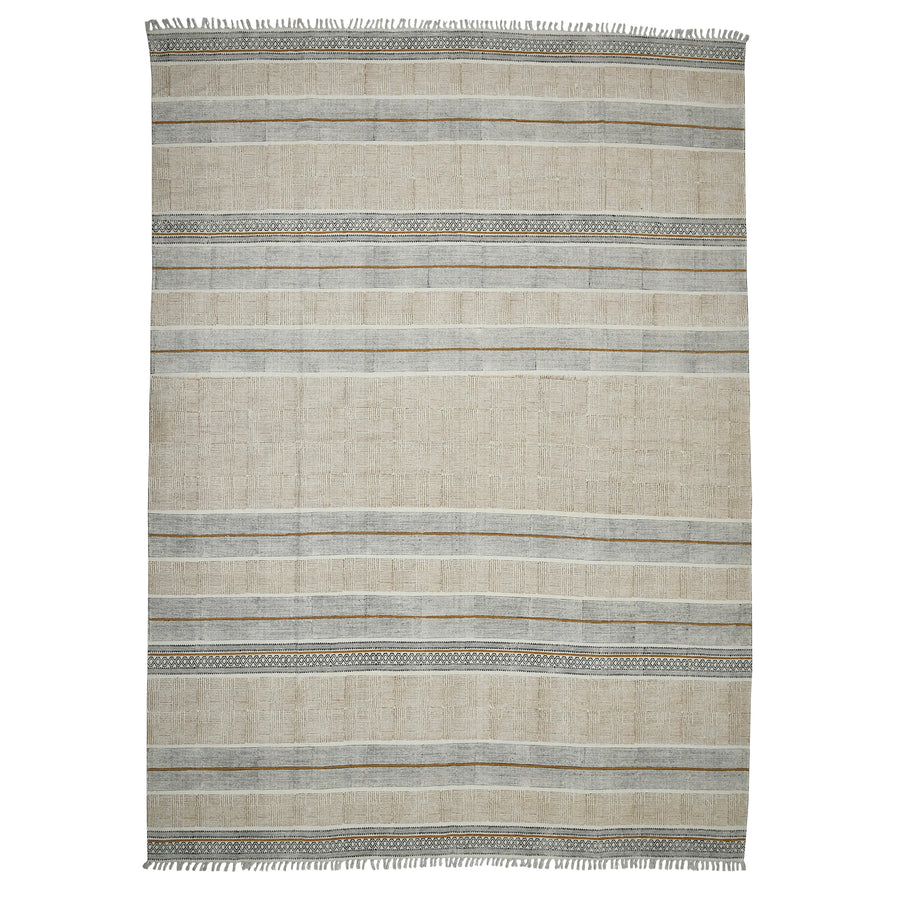
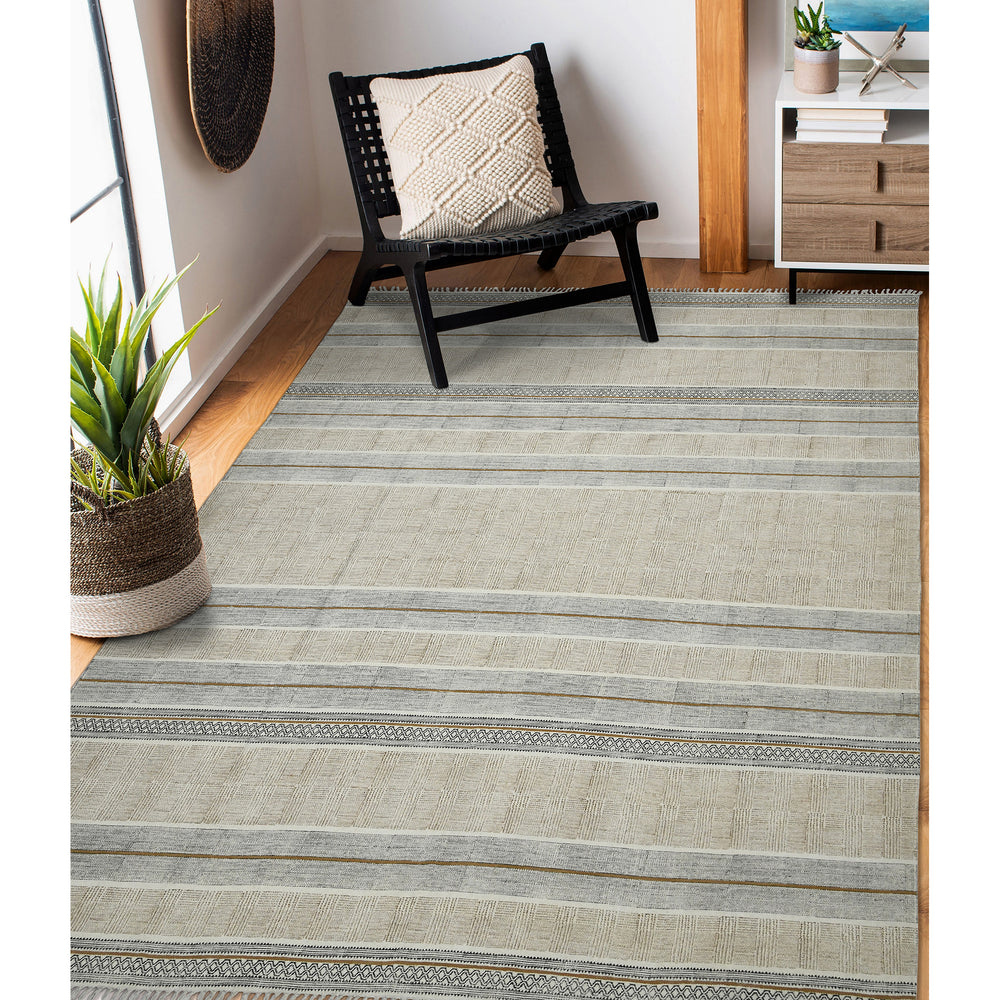
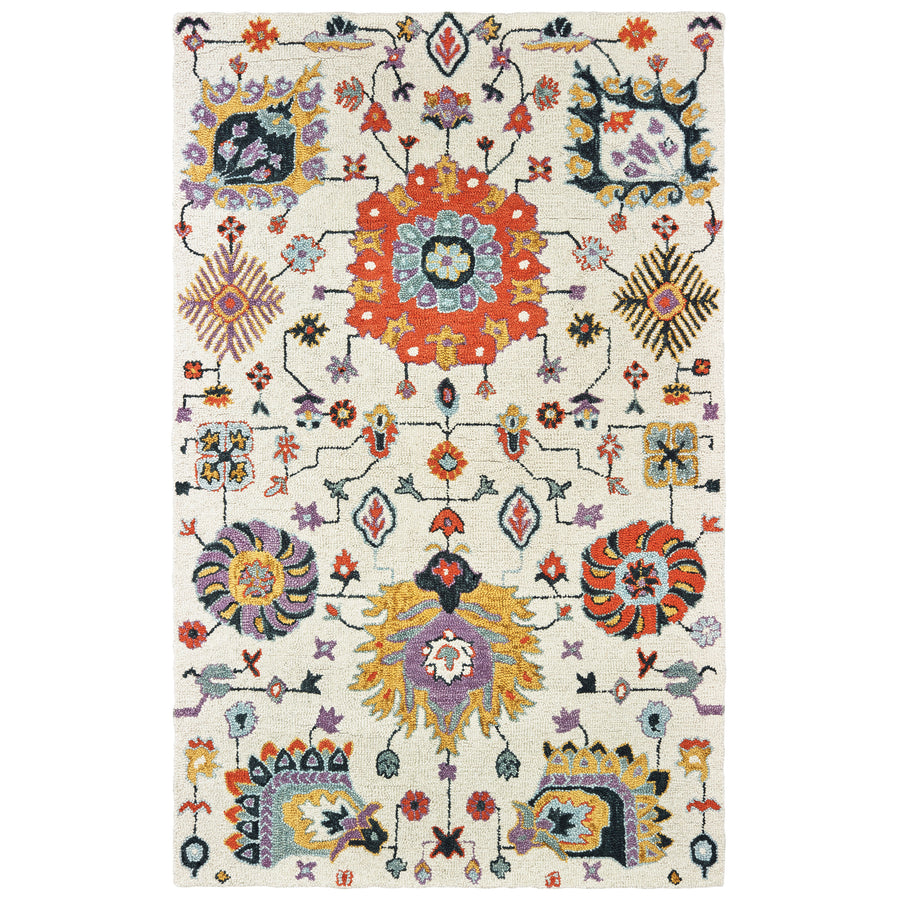
Bohemian in the rug context refers to a design ethos, not a construction method. The characteristic is layerability — a boho rug is designed to work with eclectic, mixed, or organic interiors rather than demanding to anchor a single coherent style. The common thread: natural texture, earth tones or faded patterns, and visual informality.
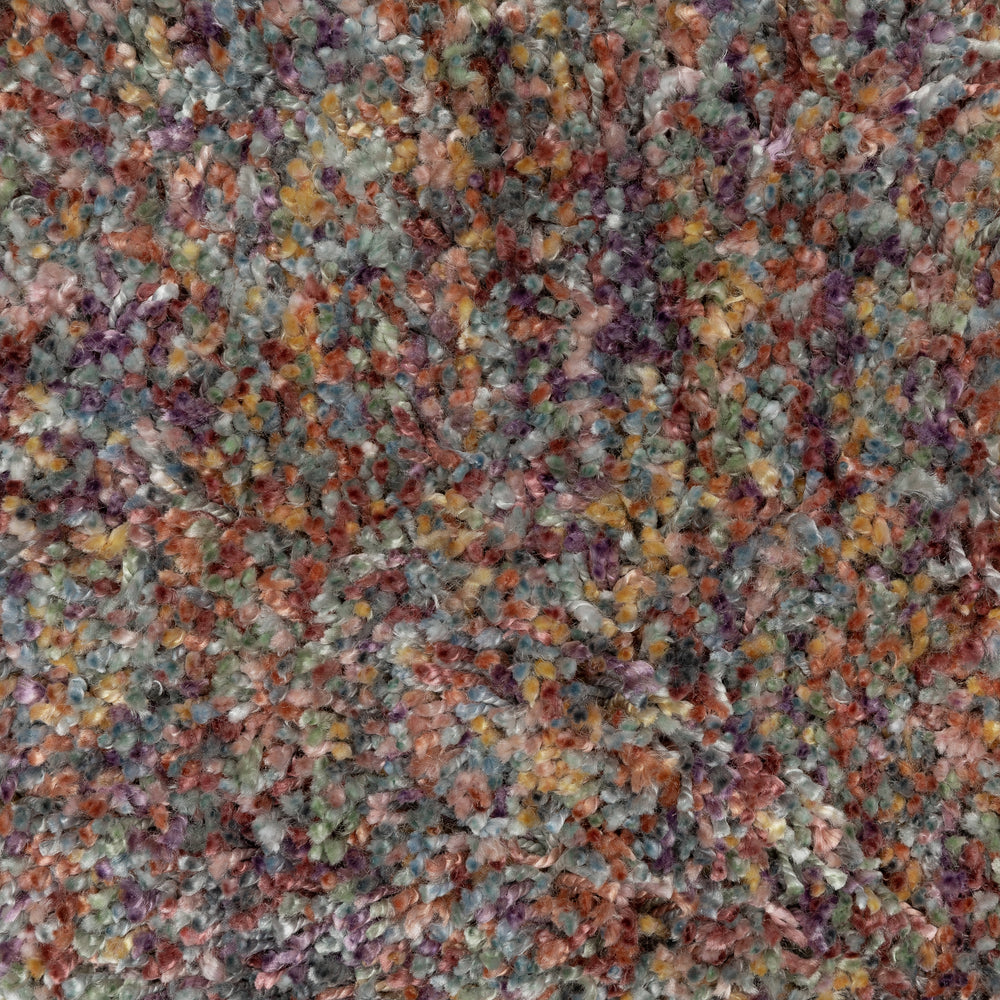
Pure jute rugs are not appropriate as the primary rug in a living room where people sit on the floor — the fiber is coarser than it appears in photos. High-pile shag boho rugs photograph beautifully but require more maintenance than most customers expect; if vacuuming weekly isn’t realistic, choose a flatweave instead. No boho rug should be placed on a hardwood floor without a quality rug pad underneath.
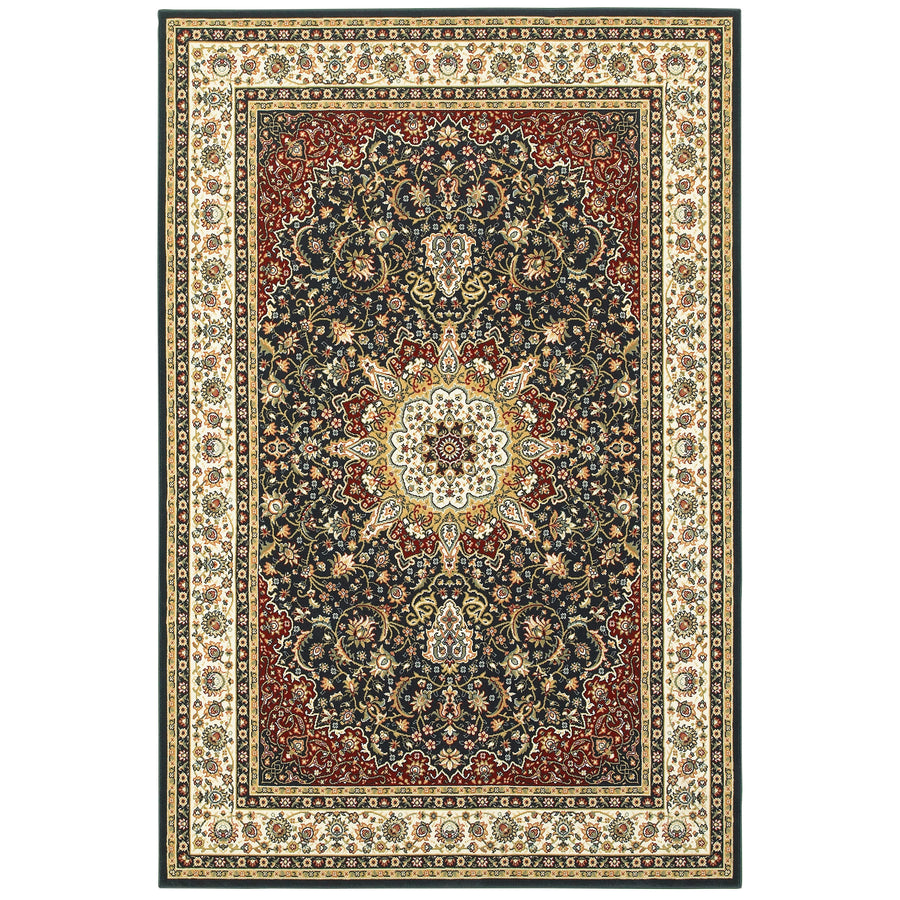
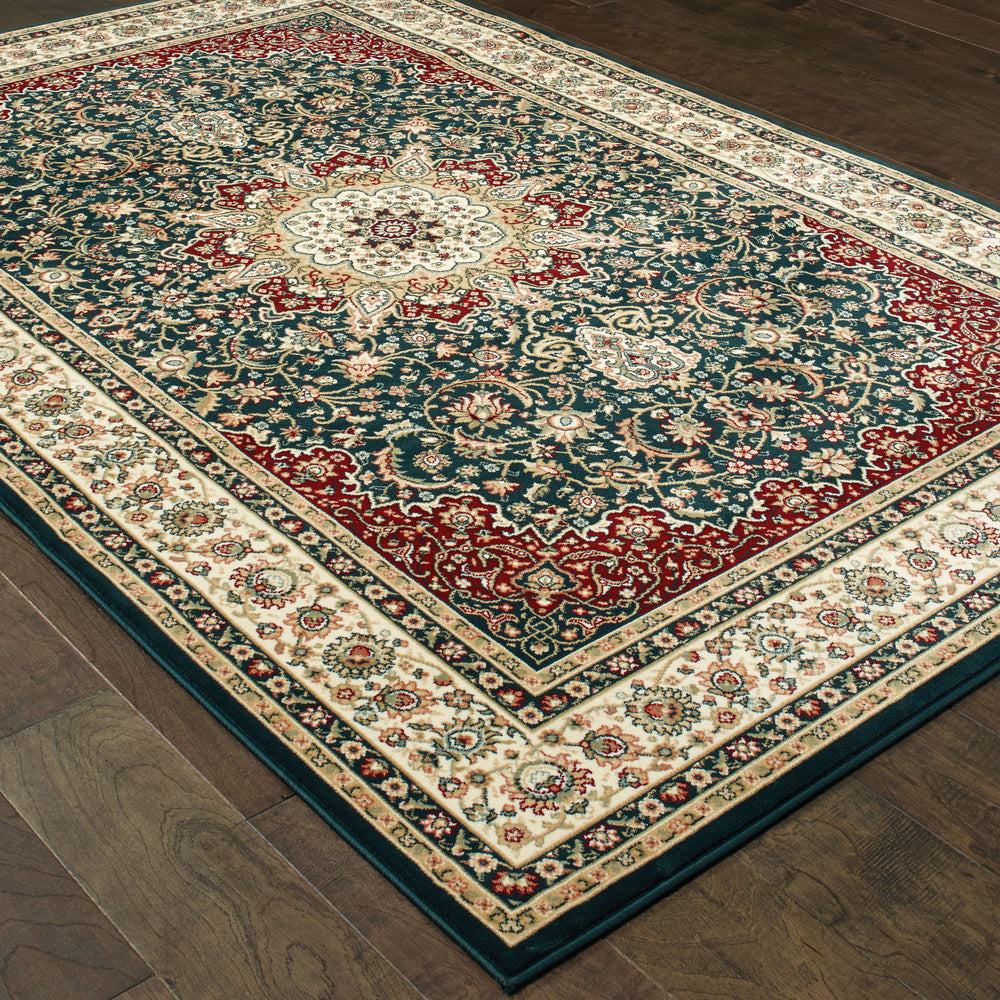
Natural texture, an organic or eclectic pattern (geometric, tribal, vintage Persian, or abstract), and earthy or faded colorways. The label describes the visual style, not the build — boho rugs can be jute, flatweave, hand-knotted, or shag.
It depends entirely on the construction. Flatweave wool boho rugs are among the most durable options for living rooms. Natural fiber jute is durable in entryways but fails in sitting areas. High-pile shag is the least durable. Know which construction you’re buying.
“Will it work in my living room?” Tell us your room and we’ll point you to the right type.
Every boho rug ships free. 30-day return policy. Browse related: Traditional | Shag
 18553557847
 Email us
Everything you need to know to choose.
Most people think a rug pad is just to keep their rug from slipping. It does that, but it also quietly protects your floors, extends the life of your rug, and makes every step feel noticeably better underfoot. Think of it as the part of the rug you never see but always feel.
Without a pad, a rug's backing can act like sandpaper on hardwood, tile, and vinyl — especially with foot traffic. A pad creates a soft barrier.
Both surfaces grip — top holds the rug, bottom grips your floor. No bunching, no shifting, no tripping hazard. Essential for high-traffic areas.
Cushioning absorbs impact so the rug fibers don't crush prematurely. A pad can add years to your investment.
A pad holds your rug flat and in place, making vacuuming more effective and preventing the rug from creeping during cleaning.
Even a thin pad adds noticeable cushion. A deluxe pad takes it further — like the difference between bare hardwood and a well-padded surface.
Pads dampen impact sound and reduce noise between floors — especially valuable in multi-story homes or apartments.


| Thin Lock Pad | Deluxe ¼″ Pad | |
|---|---|---|
| Thickness | Ultra-thin (~1/16″) | ¼ inch |
| Pile Height | 0.11 | 0.25 |
| Grip (anti-slip) | ✓ Yes | ✓ Yes |
| Floor Protection | ✓ Yes | ✓ Yes |
| Underfoot Cushion | Minimal | ✓ Substantial |
| Noise Reduction | Light | ✓ Noticeable |
| Door Clearance Friendly | ✓ Yes (ultra-flat) | Check clearance |
| Trimmable to Size | ✓ Yes | ✓ Yes |
| Best Room | Entry, Dining, Kitchen | Living Room, Bedroom |
| Best Rug Type | Low-pile, flat-weave | Any pile height |