Traditional Rugs
952 products
952 products
The customers coming to us for traditional patterns now are often not furnishing traditional rooms. They’re decorating contemporary spaces and discovering that a traditional rug provides the visual weight and grounding that geometric modern rugs can’t. It’s a pattern with cultural memory built into it — and that carries a room differently.
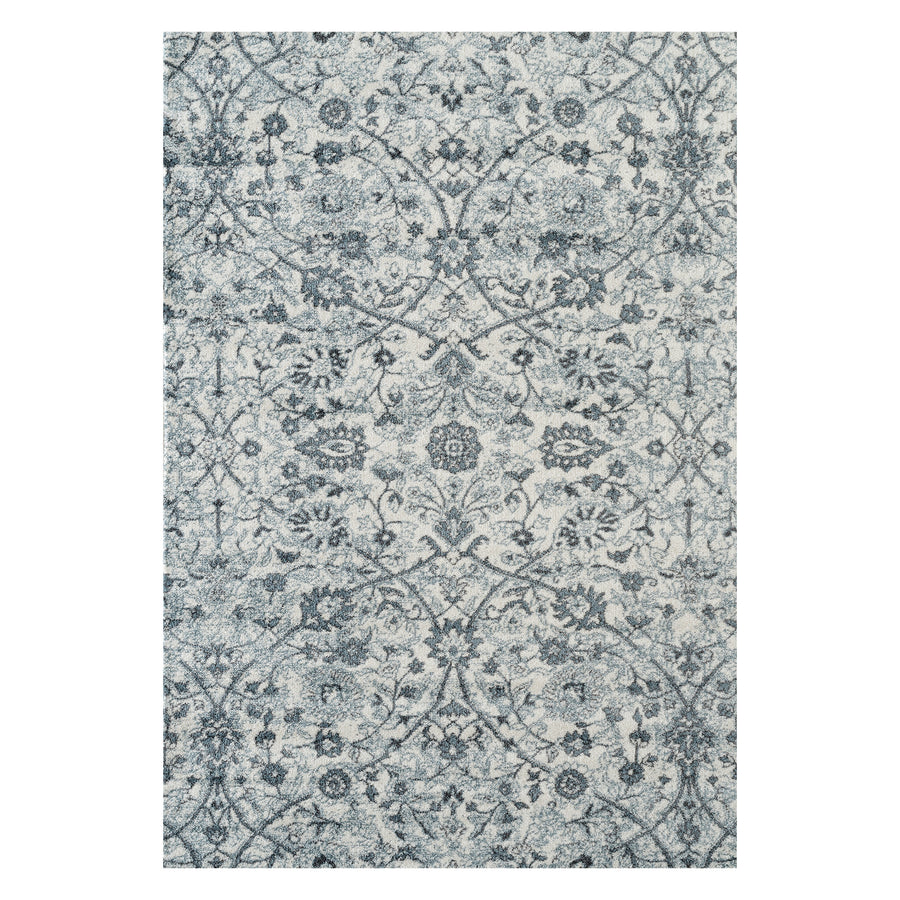
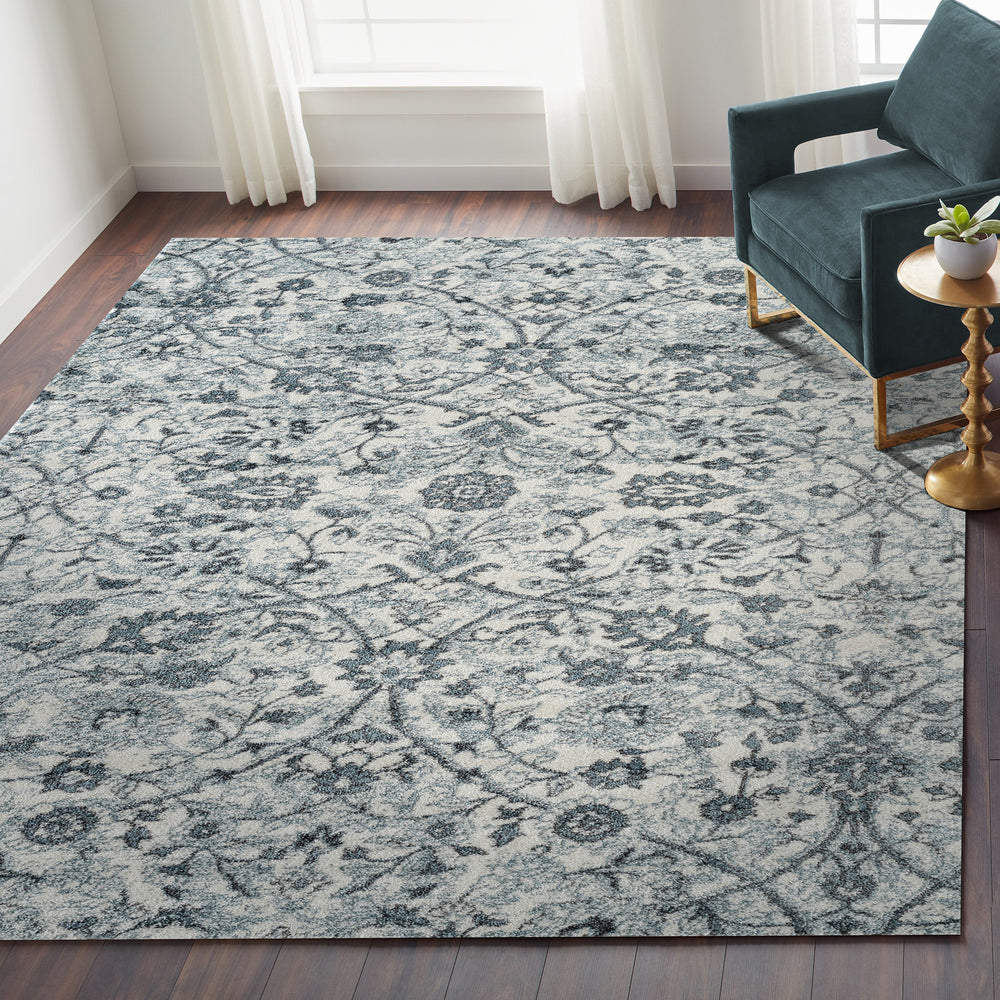
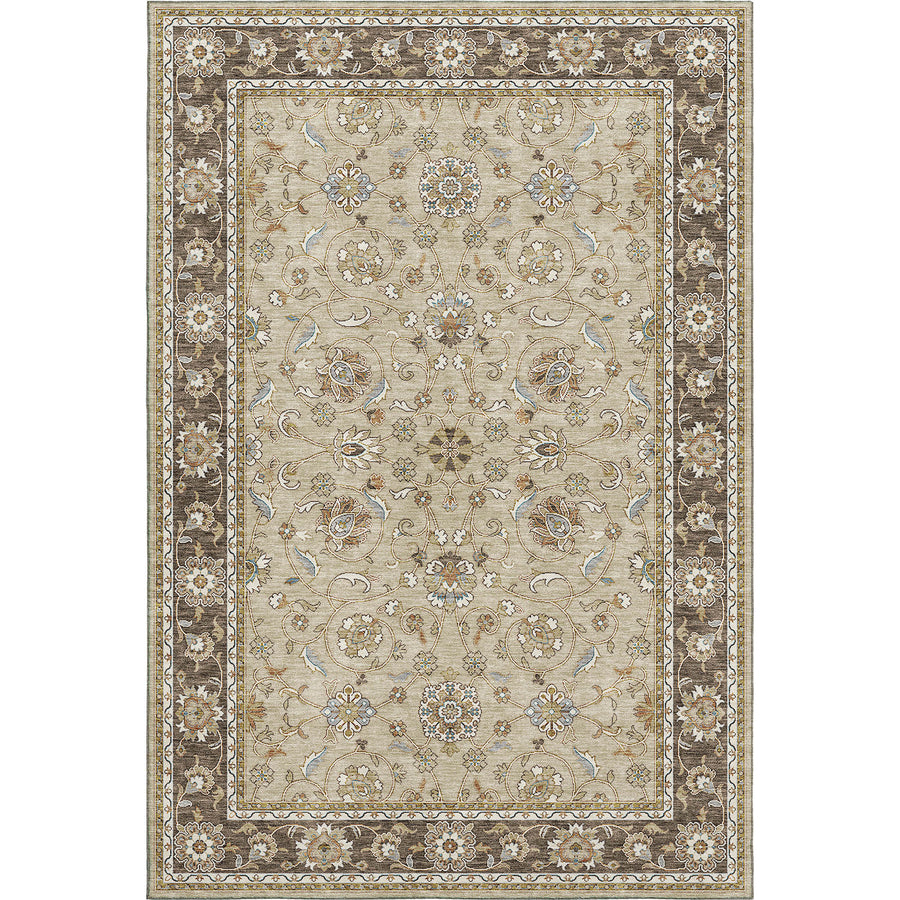
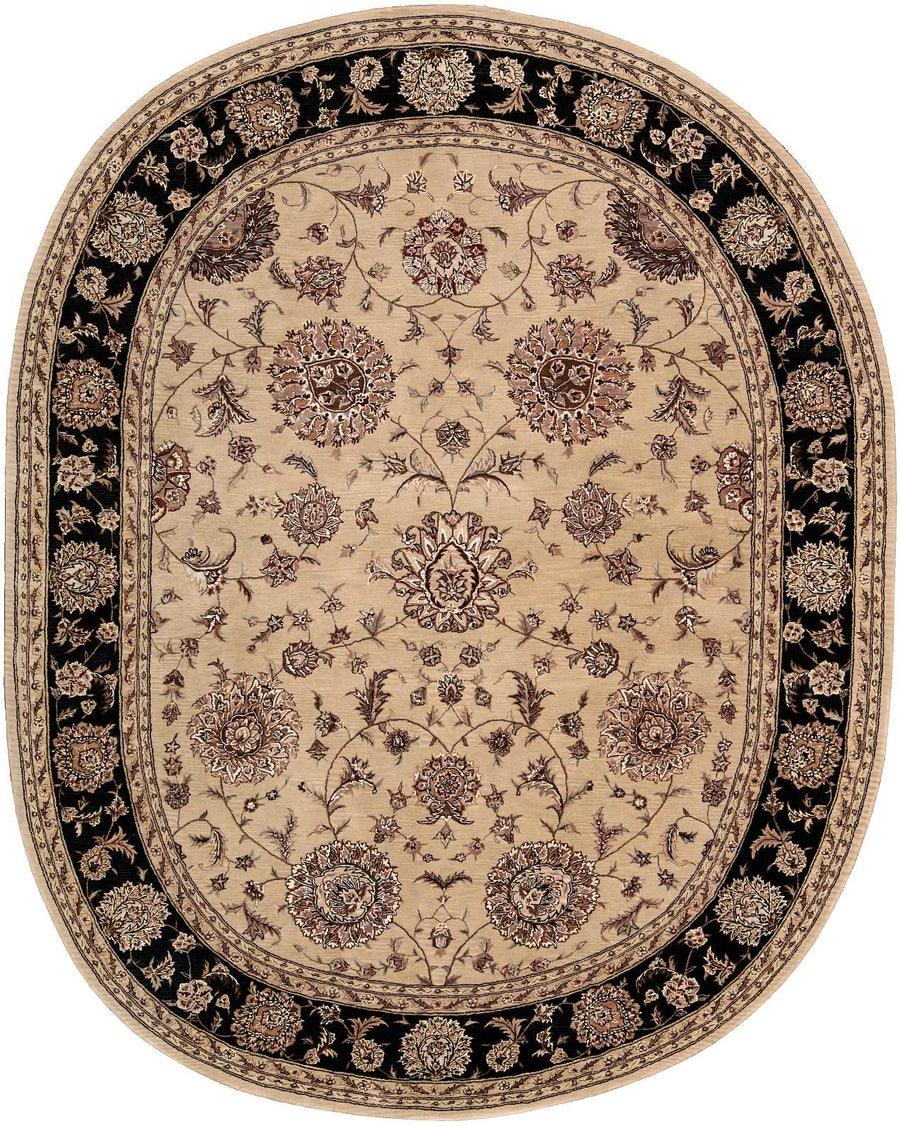
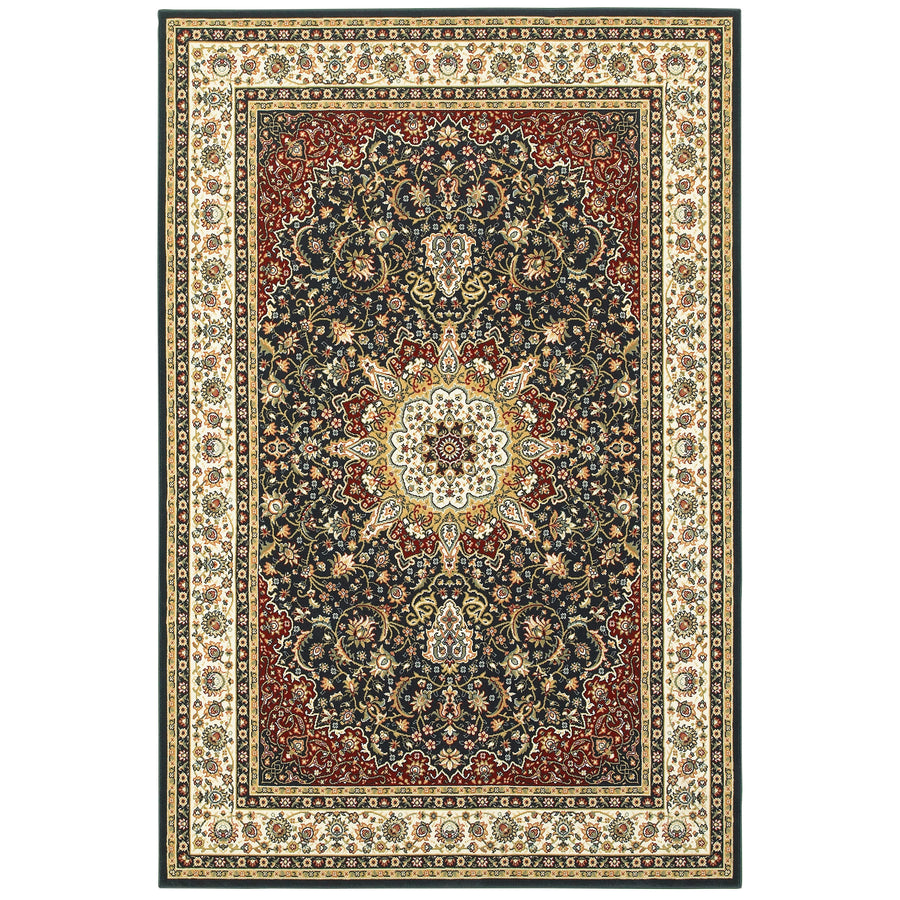
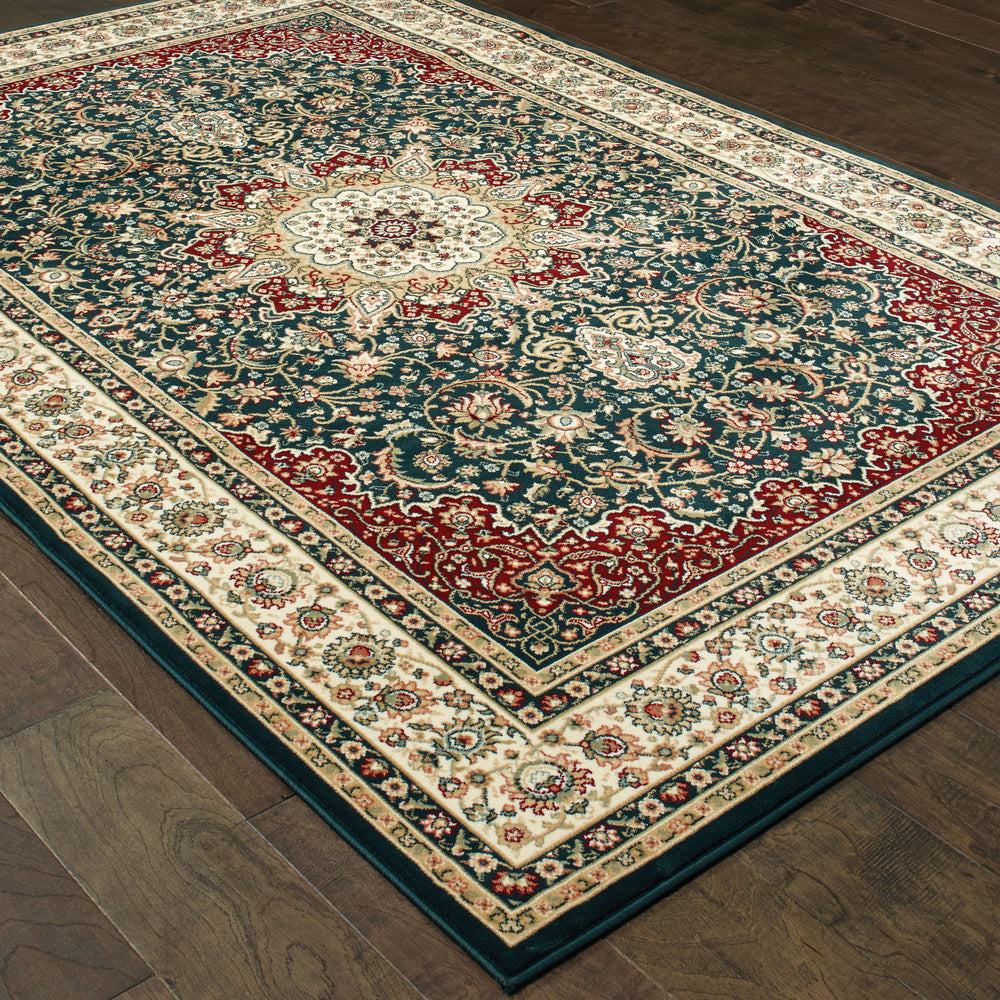
Traditional rugs draw from centuries of weaving traditions across Persia, Turkey, the Caucasus, Central Asia, and India. The defining characteristics: medallion or all-over floral/geometric patterns, deep borders with repeating motifs, and rich colorways in burgundy, navy, hunter green, and gold. The pattern vocabulary is specific: Tabriz features fine floral detail; Heriz is bold geometric with a central medallion; Kashan favors refined curvilinear floral; Kilim is flat-woven geometric stripes or diamonds.
This is the most important distinction because the price gap is significant:
The question we always ask: Is this rug a decoration or an investment?
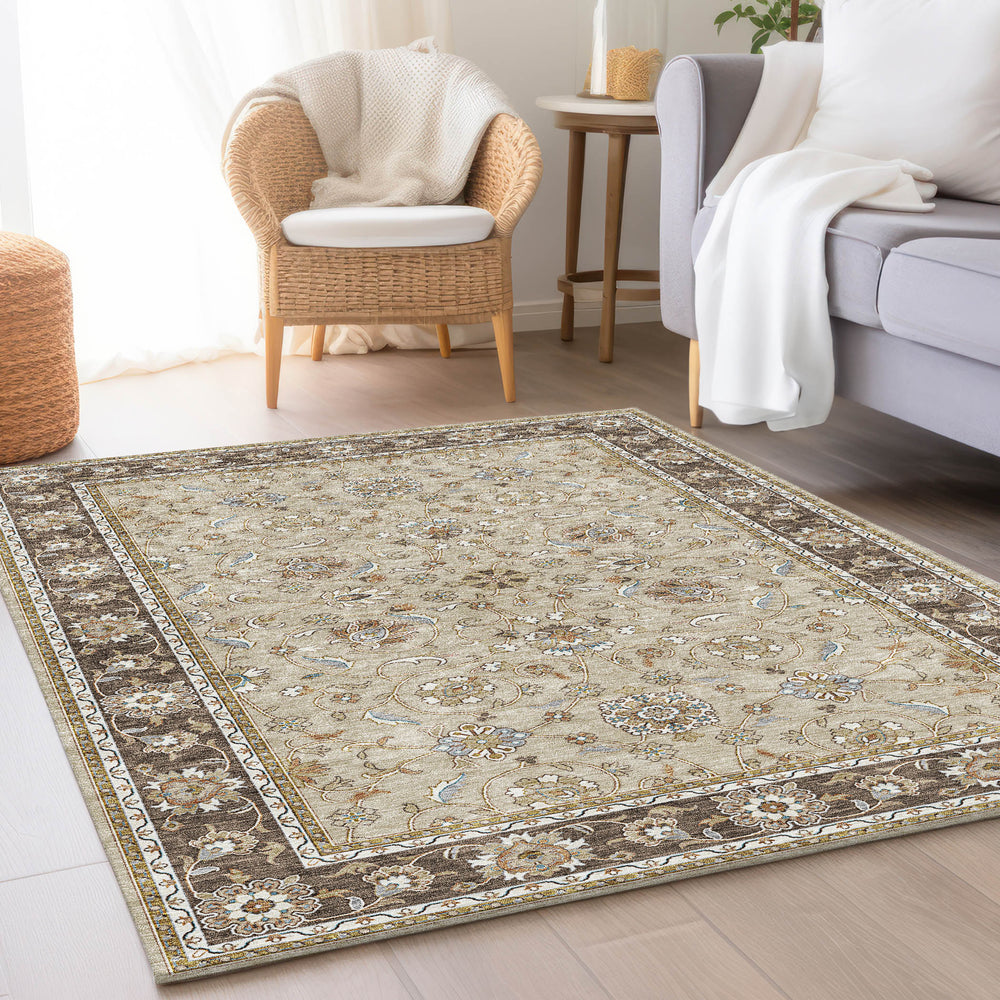
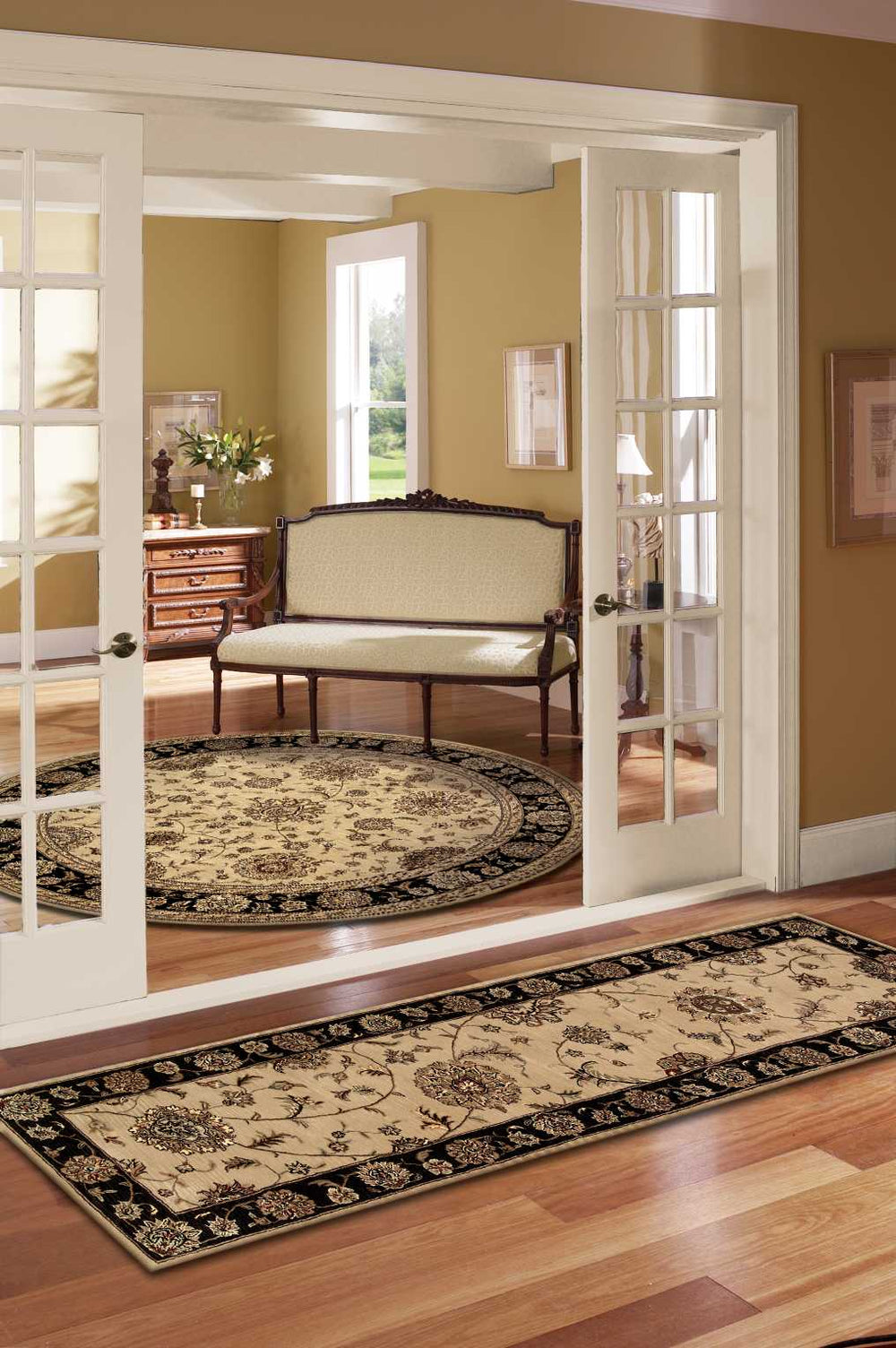
The most successful application relies on contrast rather than coordination. The rug provides pattern and historical weight; the furniture and walls stay simple. A Persian-style rug under a sleek sofa creates a room that feels curated rather than dated. The key: the rug should be the most complex element in the room.
When traditional doesn’t work: Minimalist interiors, rooms with very light wood or white furniture, or spaces with strong industrial elements. The pattern reads heavy rather than grounding.
Machine-made traditional rugs follow trends and can feel dated when styles shift. Hand-knotted traditional rugs — particularly authentic Persian and Turkish pieces — do not. Their value comes from craft and provenance, and genuine antique hand-knotted rugs appreciate over time.
Persian rugs specifically originate from Iran. Oriental rugs is the broader category including rugs from Persia, Turkey, the Caucasus, Central Asia, and India. All Persian rugs are Oriental rugs; not all Oriental rugs are Persian.
Not sure if a traditional rug will work in your contemporary space? Send us a photo. We’ve matched traditional rugs to modern interiors many times — the key is knowing which pattern weight works.
Free shipping. 30-day returns. Related: Transitional | Karastan | Feizy
Everything you need to know to choose.
Most people think a rug pad is just to keep their rug from slipping. It does that, but it also quietly protects your floors, extends the life of your rug, and makes every step feel noticeably better underfoot. Think of it as the part of the rug you never see but always feel.
Without a pad, a rug's backing can act like sandpaper on hardwood, tile, and vinyl — especially with foot traffic. A pad creates a soft barrier.
Both surfaces grip — top holds the rug, bottom grips your floor. No bunching, no shifting, no tripping hazard. Essential for high-traffic areas.
Cushioning absorbs impact so the rug fibers don't crush prematurely. A pad can add years to your investment.
A pad holds your rug flat and in place, making vacuuming more effective and preventing the rug from creeping during cleaning.
Even a thin pad adds noticeable cushion. A deluxe pad takes it further — like the difference between bare hardwood and a well-padded surface.
Pads dampen impact sound and reduce noise between floors — especially valuable in multi-story homes or apartments.
| Thin Lock Pad | Deluxe ¼″ Pad | |
|---|---|---|
| Thickness | Ultra-thin (~1/16″) | ¼ inch |
| Pile Height | 0.11 | 0.25 |
| Grip (anti-slip) | ✓ Yes | ✓ Yes |
| Floor Protection | ✓ Yes | ✓ Yes |
| Underfoot Cushion | Minimal | ✓ Substantial |
| Noise Reduction | Light | ✓ Noticeable |
| Door Clearance Friendly | ✓ Yes (ultra-flat) | Check clearance |
| Trimmable to Size | ✓ Yes | ✓ Yes |
| Best Room | Entry, Dining, Kitchen | Living Room, Bedroom |
| Best Rug Type | Low-pile, flat-weave | Any pile height |