




Textured Rugs
324 products

324 products
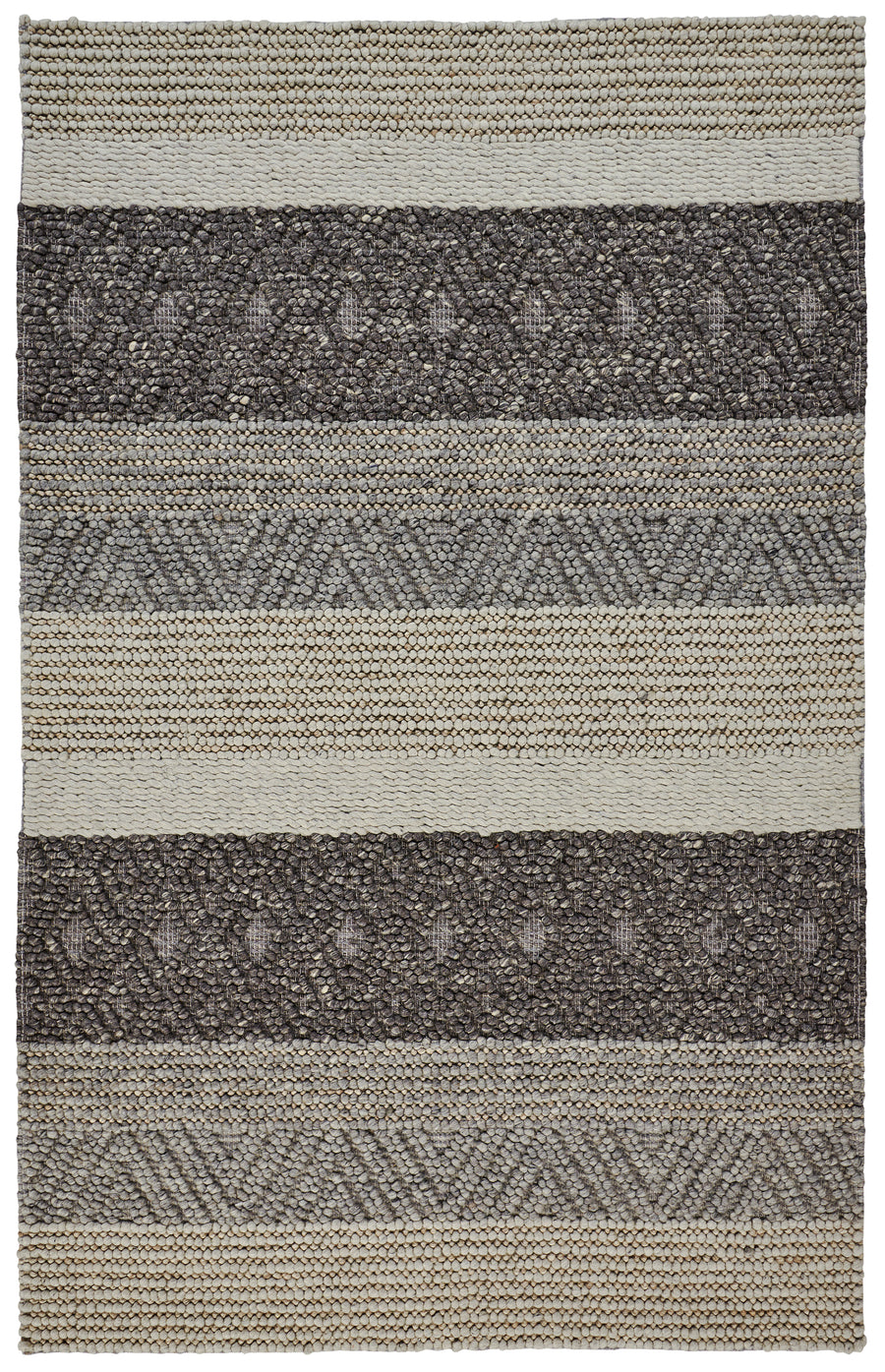
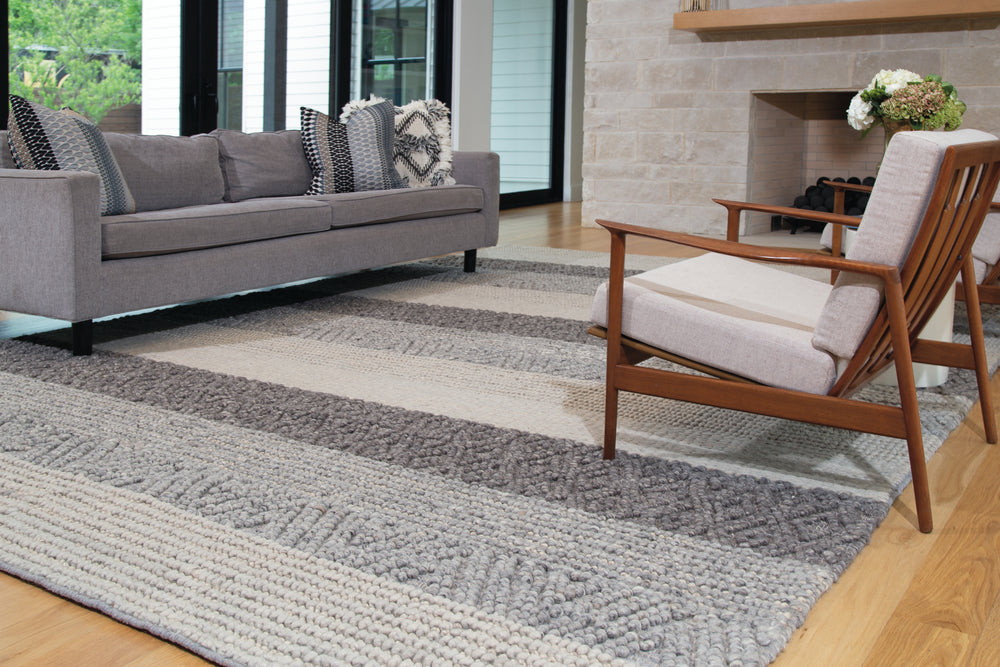
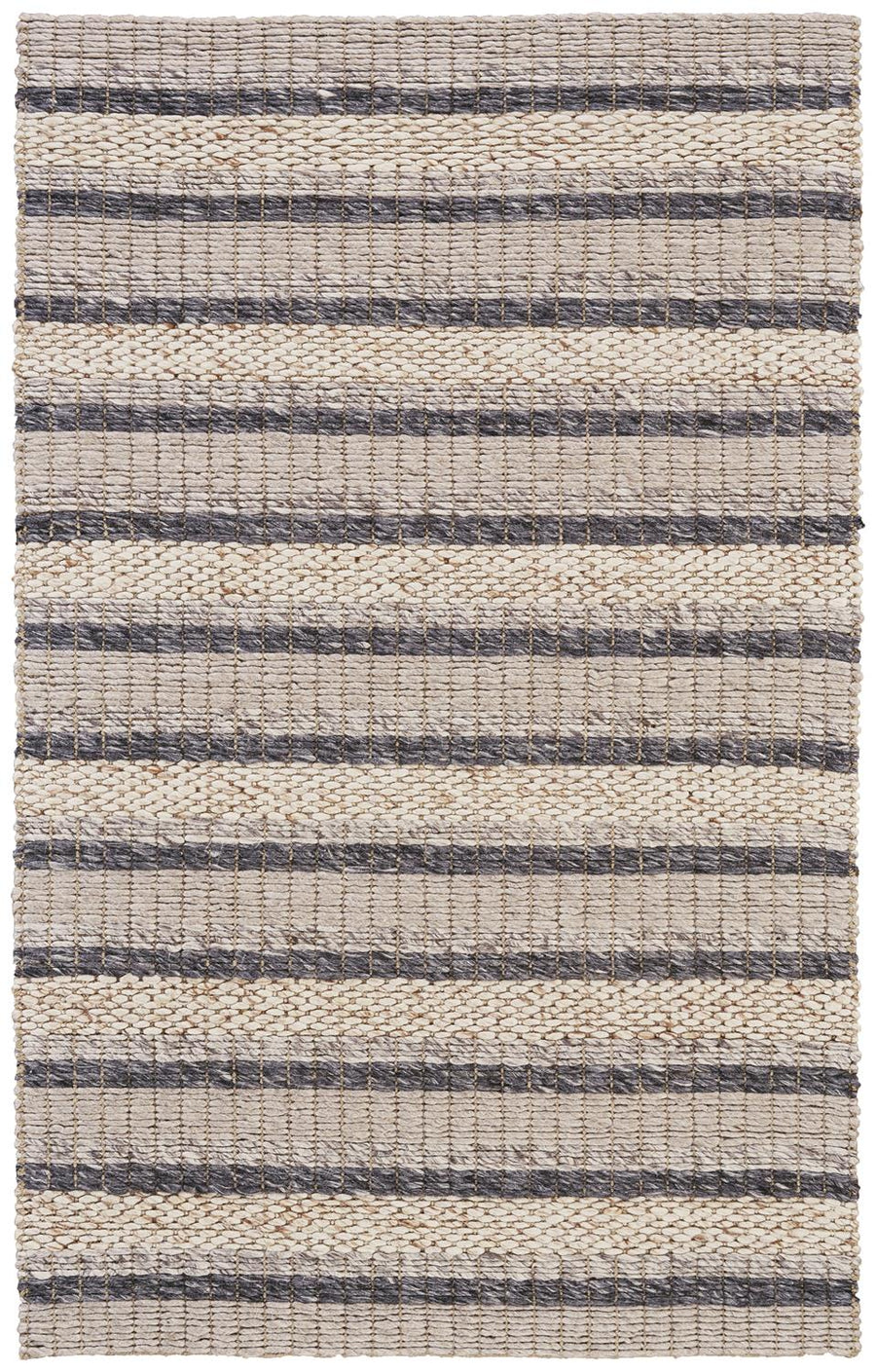
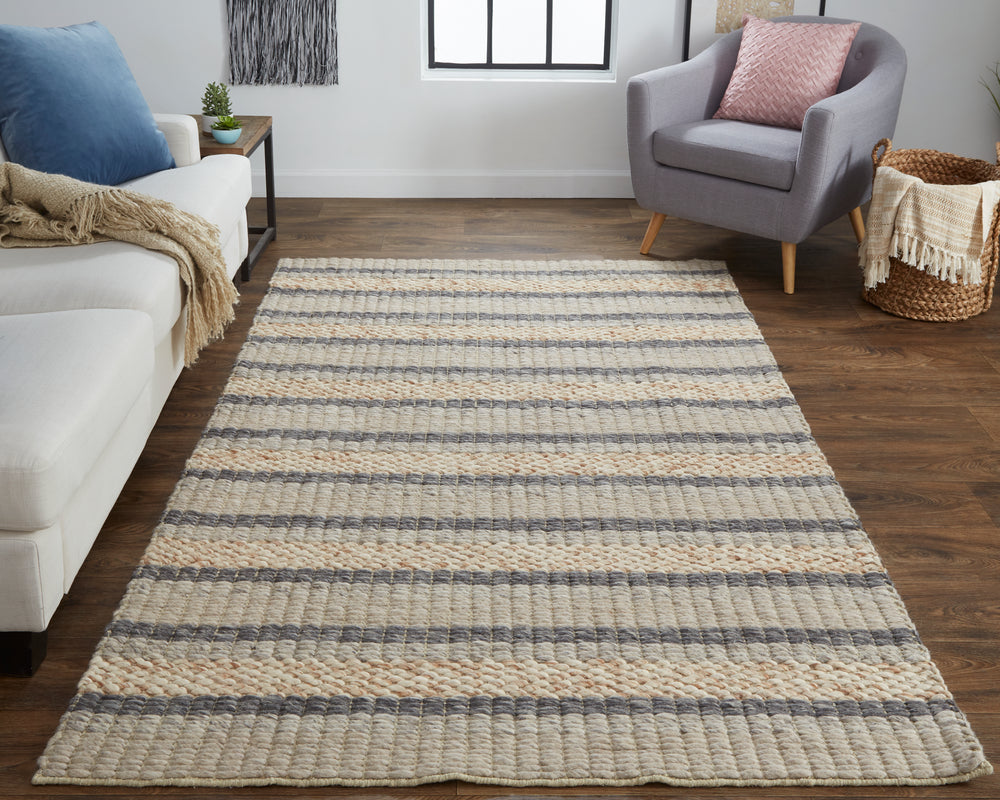
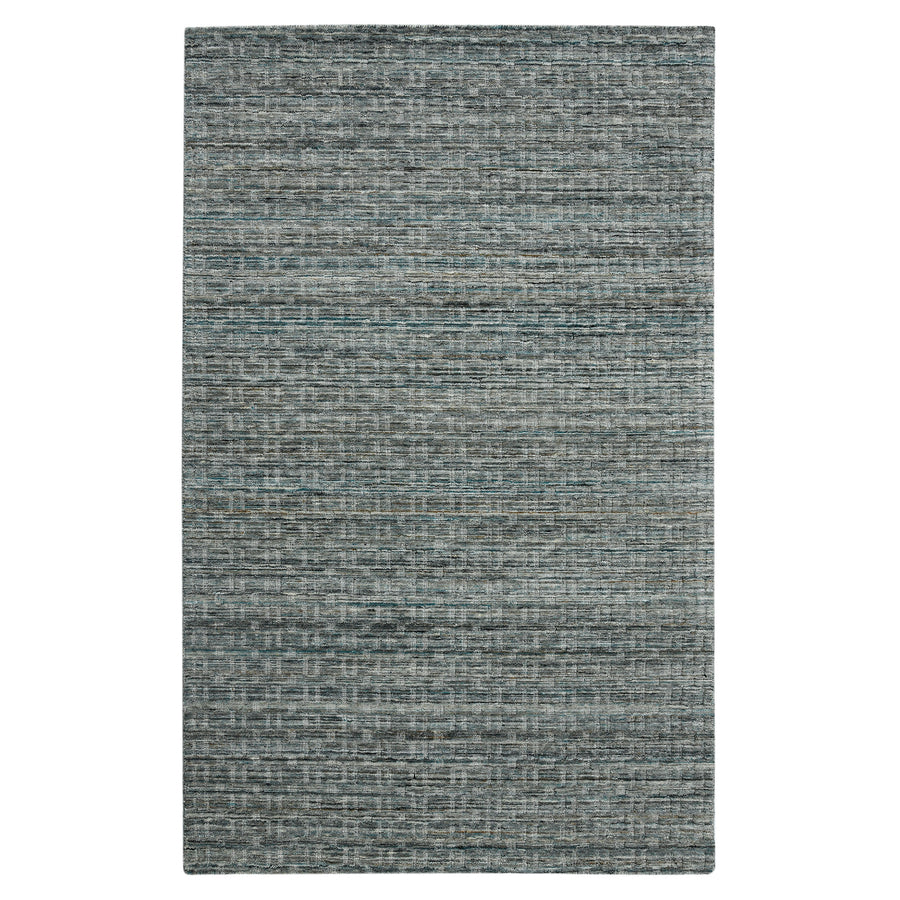
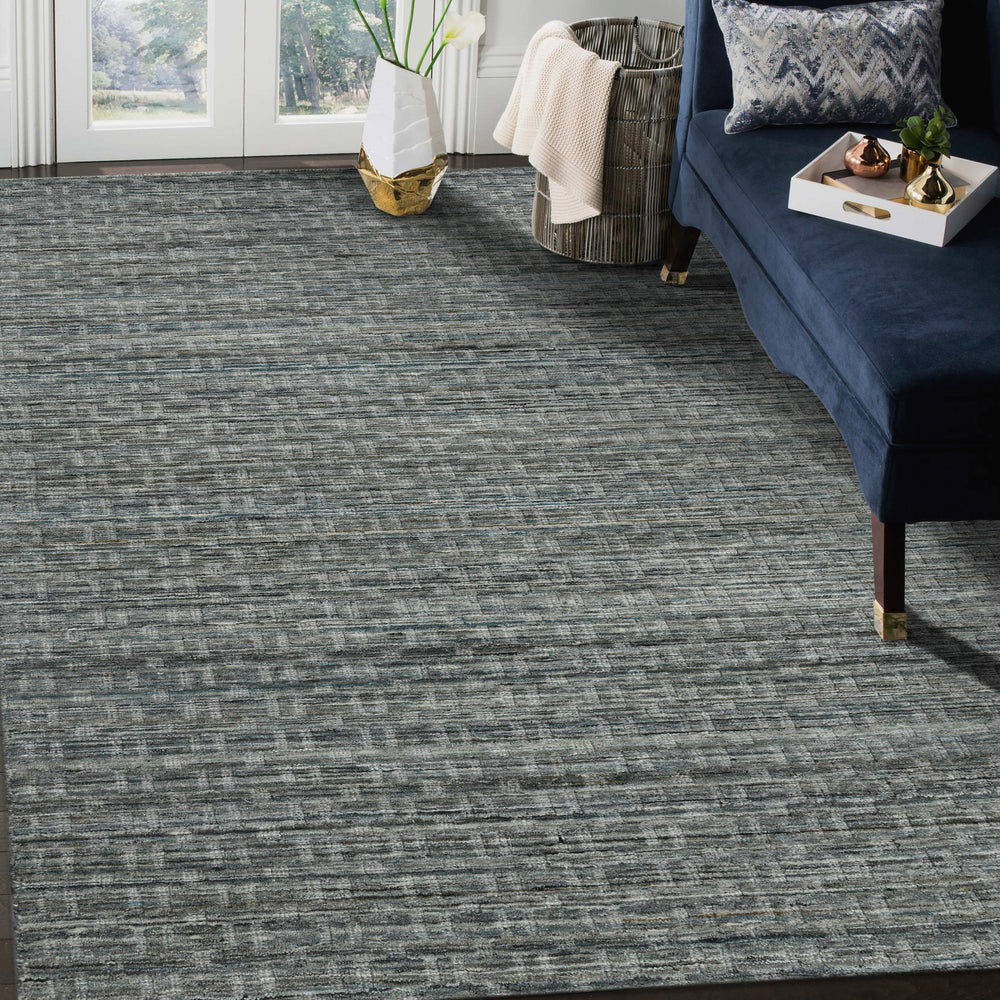
The gap between a solid rug and a patterned rug isn’t empty — textured rugs fill it. Construction variation creates dimensionality that photographs as subtle and reads as rich in person.
A rug that achieves visual and tactile depth through construction — how the pile is woven, cut, looped, or carved — rather than through color pattern. Examples: cut-and-loop, high-low pile, carved pile.
More challenging than flatweave. Vacuum weekly with suction-only. Avoid beater bar on loop constructions. Spot clean promptly — uneven surface makes set stains harder to reach.
Textured rugs are what we recommend when someone says ‘interesting but not patterned.’ The construction does the design work. Free shipping. 30-day returns.
Related: Solid | Contemporary | Shag
 18553557847
 Email us
Everything you need to know to choose.
Most people think a rug pad is just to keep their rug from slipping. It does that, but it also quietly protects your floors, extends the life of your rug, and makes every step feel noticeably better underfoot. Think of it as the part of the rug you never see but always feel.
Without a pad, a rug's backing can act like sandpaper on hardwood, tile, and vinyl — especially with foot traffic. A pad creates a soft barrier.
Both surfaces grip — top holds the rug, bottom grips your floor. No bunching, no shifting, no tripping hazard. Essential for high-traffic areas.
Cushioning absorbs impact so the rug fibers don't crush prematurely. A pad can add years to your investment.
A pad holds your rug flat and in place, making vacuuming more effective and preventing the rug from creeping during cleaning.
Even a thin pad adds noticeable cushion. A deluxe pad takes it further — like the difference between bare hardwood and a well-padded surface.
Pads dampen impact sound and reduce noise between floors — especially valuable in multi-story homes or apartments.


| Thin Lock Pad | Deluxe ¼″ Pad | |
|---|---|---|
| Thickness | Ultra-thin (~1/16″) | ¼ inch |
| Pile Height | 0.11 | 0.25 |
| Grip (anti-slip) | ✓ Yes | ✓ Yes |
| Floor Protection | ✓ Yes | ✓ Yes |
| Underfoot Cushion | Minimal | ✓ Substantial |
| Noise Reduction | Light | ✓ Noticeable |
| Door Clearance Friendly | ✓ Yes (ultra-flat) | Check clearance |
| Trimmable to Size | ✓ Yes | ✓ Yes |
| Best Room | Entry, Dining, Kitchen | Living Room, Bedroom |
| Best Rug Type | Low-pile, flat-weave | Any pile height |