Stripe Rugs

220 products

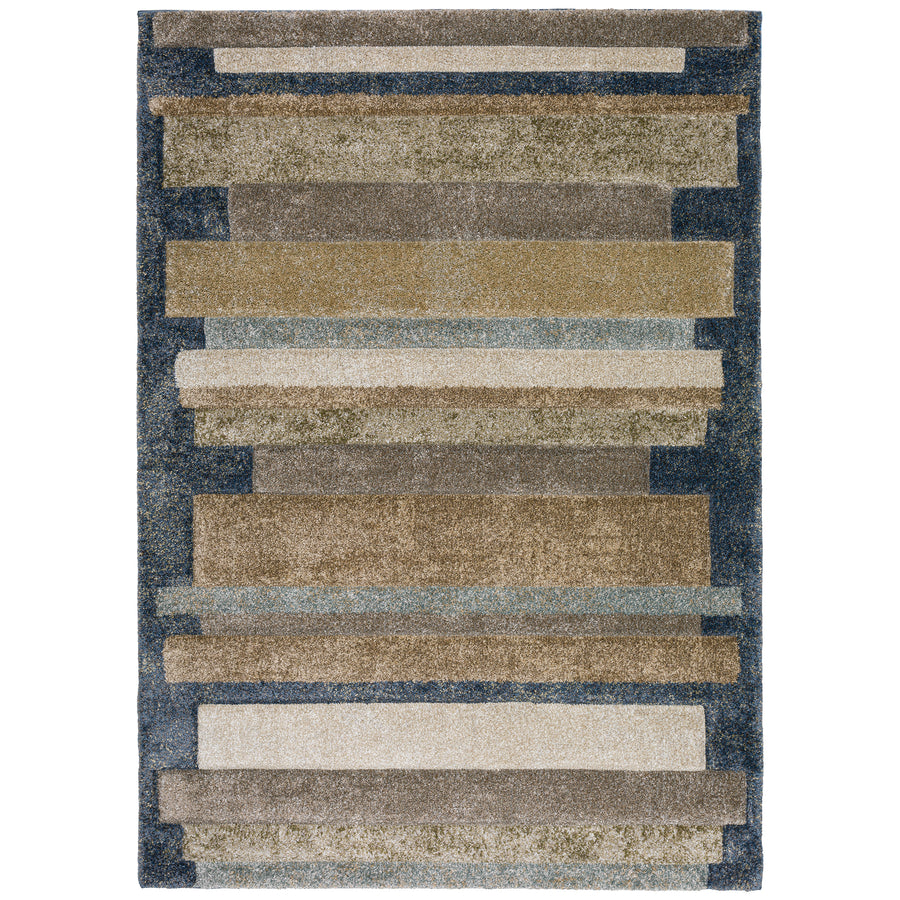
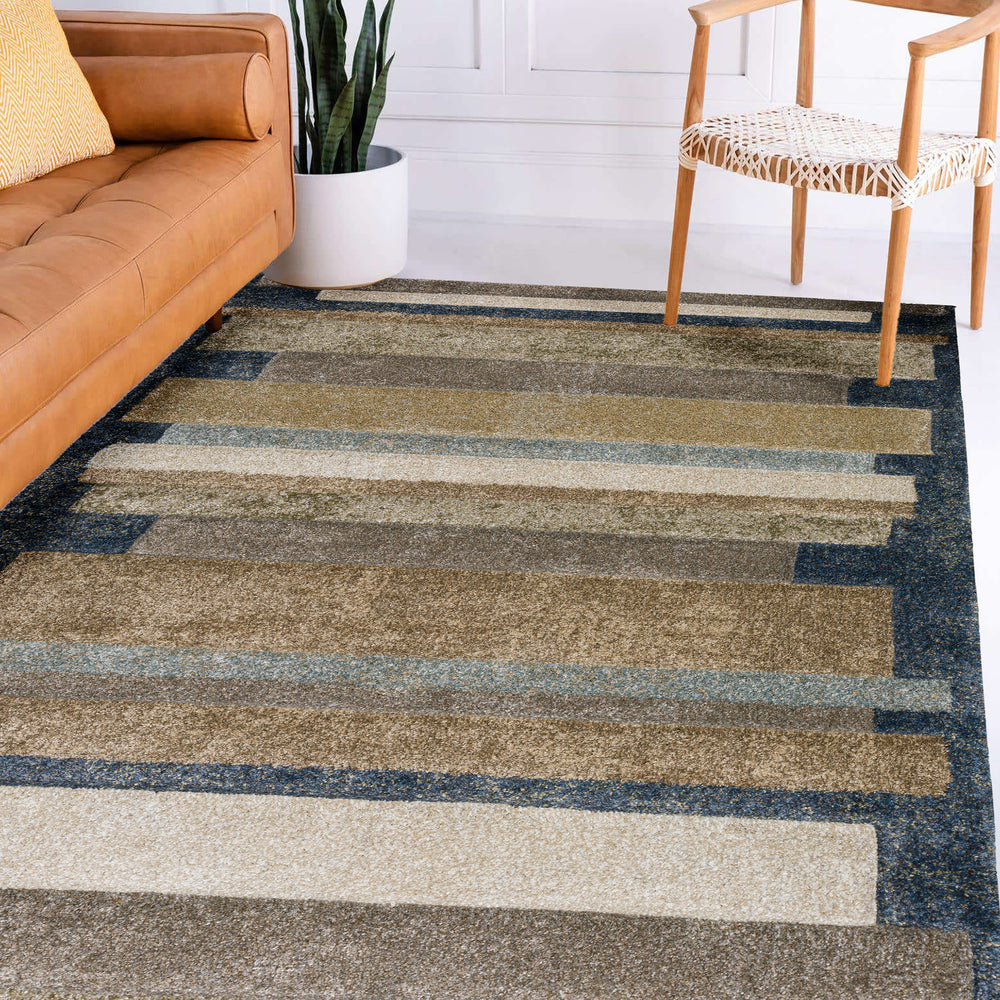
    The Stripe Is the Most Spatially Useful Pattern in a Rug. Direction Changes Everything.

    Customers who ask for a stripe are often solving a room problem they haven’t identified yet — a room that feels too narrow, too wide, or too undirected. A stripe rug, placed correctly, fixes all three.

    Read More

    Why Stripe Works in Almost Any Room

    The stripe is architecturally neutral — it integrates across coastal, farmhouse, contemporary, Scandinavian, and transitional rooms without belonging exclusively to any.

    Stripe Direction and Room Perception

    • Horizontal stripes: Widen the visual perception. Best in narrow rooms.
    • Vertical stripes: Lengthen the perception. Best in square rooms that need direction.
    • Diagonal stripes: Create movement and energy. Best in entryways and mudrooms.

    Flatweave vs Pile Stripe

    • Flatweave: Most common. Easy to clean, reversible, durable. Firm underfoot.
    • Low-pile: Some pile height, maintains crisp line definition. Living room appropriate.
    • Indoor/outdoor: UV-resistant polypropylene. Porches, patios, high-traffic indoor.

    FAQ

    What direction should a striped rug run?

    Run stripes in the direction that solves your room’s spatial problem. Narrow room: horizontal to widen. Boxy room: vertical to lengthen. No spatial problem: stripes away from the main entry point.

    Are striped rugs out of style?

    No — the stripe is one of the most enduring patterns. Current stripes lean toward muted, earthy, or tonal combinations. High-contrast nautical stripes are more specific; tonal stripes are durable design choices.

    Stripe rugs are among our most practical recommendations. Not sure which direction or width? Send us the room dimensions. Free shipping. 30-day returns.

    Related: Coastal | Farmhouse | Outdoor

    220 products
    Recently viewed