





Contemporary vs Modern Rugs: What’s Actually the Difference?
These Two Terms Are Not Interchangeable
In common retail usage, “modern” and “contemporary” describe the same product category. But in design terms, they have different meanings — and knowing the distinction helps you find the right rug.
Modern: A Historical Movement
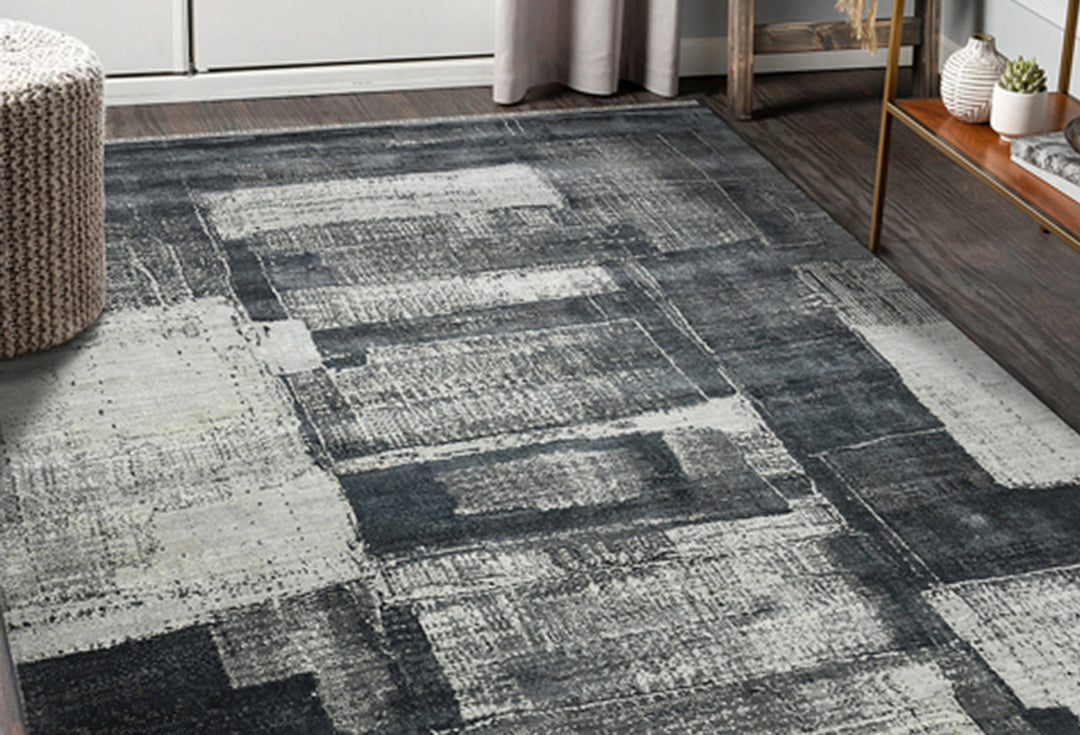
Modern in design refers to the Modernist movement (1920s–1960s): Bauhaus, Scandinavian, mid-century. Clean geometry, form follows function, primary colors or strict neutrals. A “modern” rug has geometric precision and historical design roots.
Contemporary: The Current Moment
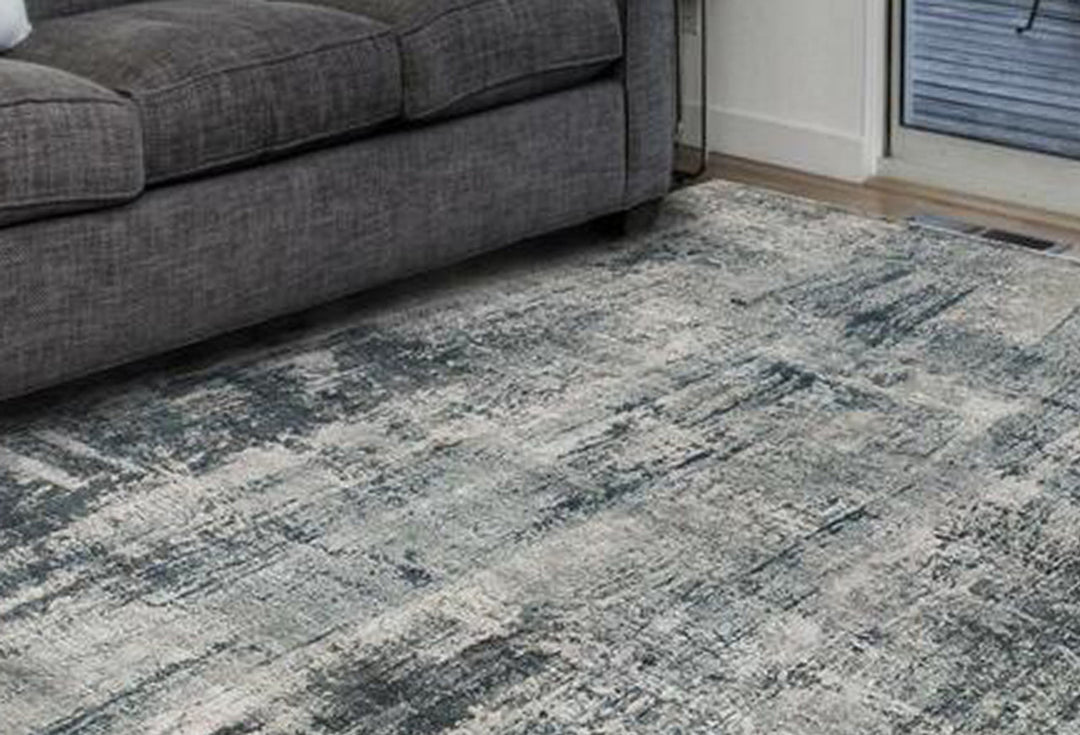
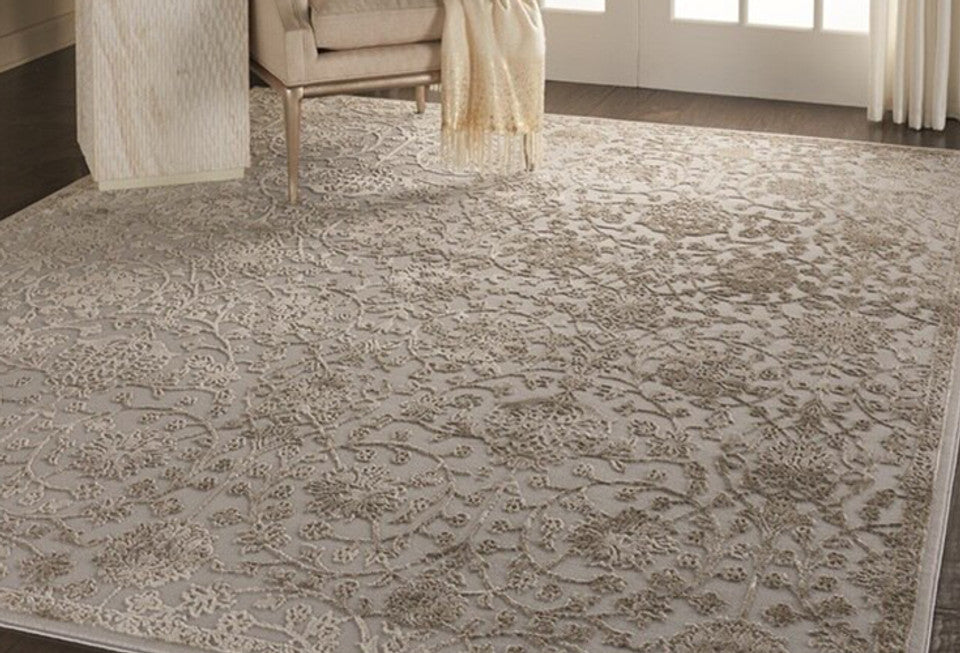
Contemporary means “of now.” It shifts with trends. Today’s contemporary rugs lean toward organic abstraction, muted earth tones, and low-sheen finishes. A contemporary rug reflects what designers are doing right now.
For Shopping Purposes
If you want no historical pattern references — clean lines, abstraction, solid fields — either filter works. The products overlap significantly.
FAQ
Is mid-century modern the same as contemporary?
No. Mid-century modern is a specific historical period (1940s–1970s). Contemporary shifts with the times. They can overlap aesthetically but aren’t the same.
Which is better for a minimalist room?
Either works. True minimalism aligns more with modern design principles (geometric, precise). Warm minimalism aligns more with current contemporary (organic, textured).
Browse contemporary area rugs. Free shipping. 30-day returns.
 Back to News