




Stripe Rugs
219 products

219 products
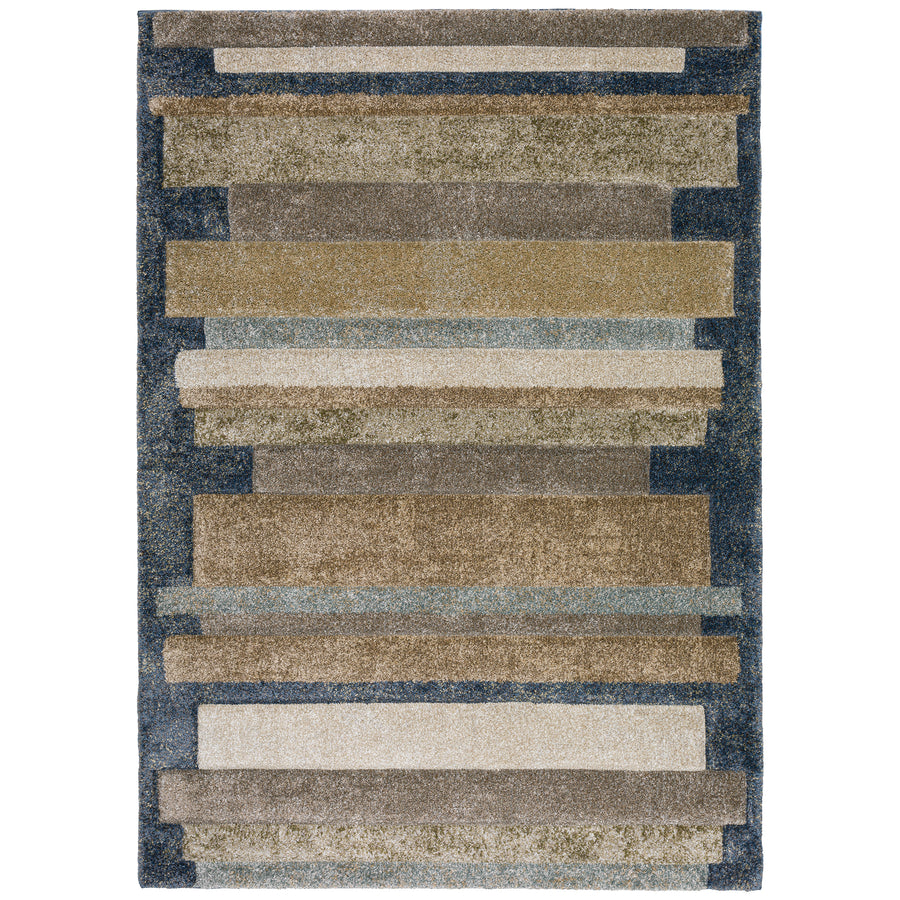
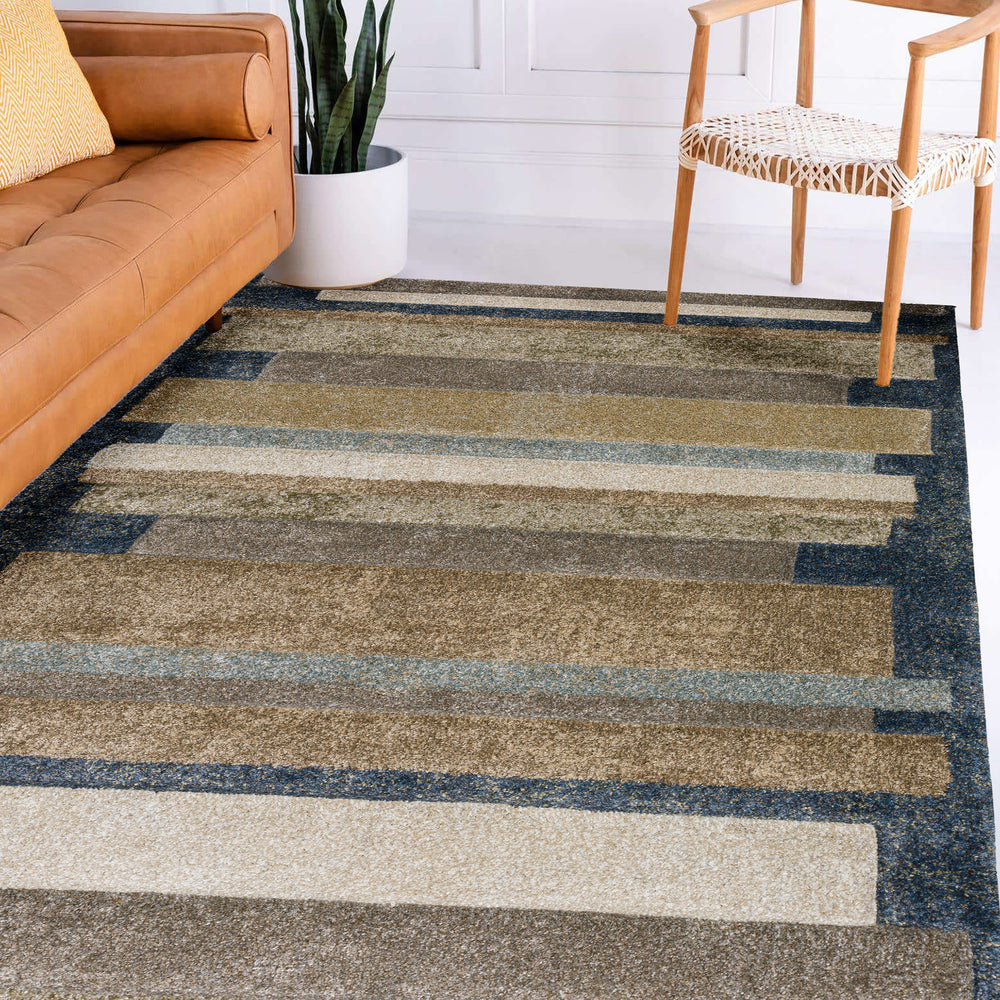
Customers who ask for a stripe are often solving a room problem they haven’t identified yet — a room that feels too narrow, too wide, or too undirected. A stripe rug, placed correctly, fixes all three.
The stripe is architecturally neutral — it integrates across coastal, farmhouse, contemporary, Scandinavian, and transitional rooms without belonging exclusively to any.
Run stripes in the direction that solves your room’s spatial problem. Narrow room: horizontal to widen. Boxy room: vertical to lengthen. No spatial problem: stripes away from the main entry point.
No — the stripe is one of the most enduring patterns. Current stripes lean toward muted, earthy, or tonal combinations. High-contrast nautical stripes are more specific; tonal stripes are durable design choices.
 18553557847
 Email us